Making sure we have Spanish translation in all City Council Meetings
Our city thrives on the diversity of its residents, with a vibrant 43.8% of our community identifying as Hispanic or Latino and contributing significantly to our city’s social, economic, and cultural tapestry. However, with diversity comes the responsibility of ensuring inclusivity, especially in civic engagement and participation.
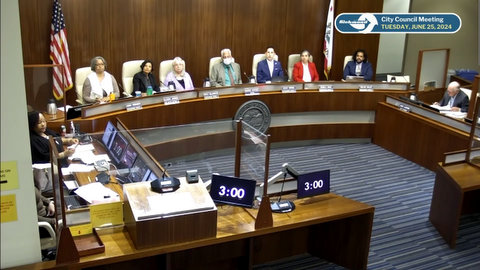
Our city council meetings, a cornerstone of local governance, where decisions impacting every resident’s life are deliberated, must be accessible to everyone, regardless of their language. With 38% of our Hispanic community stating Spanish as their primary language in the home, it is clear that not providing Spanish translation at city council meetings is a barrier to participation. This is not just a matter of convenience but a fundamental issue of equity and access to the public forum of governance.
It cannot be emphasized enough how crucial it is to have simultaneous Spanish translation available during city council meetings. Participatory governance presupposes that every voice is heard, understood, and valued. Yet, how can we claim to uphold these ideals if a substantial segment of our population is linguistically excluded from the conversation? Translation is not merely about facilitating understanding; it’s about enriching our governance with the diverse perspectives and insights our mono-lingual Hispanic community members bring to the city.
Moreover, we must address the injustice of relying on minor children or other family members to translate for their parents during public meetings. The lack of language accessibility places an unfair burden on young shoulders, expecting them to navigate complex discussions and convey their parents’ views accurately. This responsibility rightfully belongs to the government, ensuring that every resident can engage with their local government without barriers.
Our commitment to overcoming this barrier must not be just a theoretical exercise but a practical initiative grounded in the realities of our community. Drawing inspiration from the California Food and Agriculture Board’s approach, where simultaneous translation services are standard practice, we propose a similar model for Richmond’s city council meetings. This commitment should include establishing a translation channel on Zoom for virtual attendees, making translation services available for those wishing to speak, and providing translation equipment for attendees at physical meetings. Additionally, ensuring that all shared documents are translated will further enhance our community’s ability to participate fully in the governance process.
Implementing these measures has precedent within our city. The rent board’s practice of translating meetings offers a viable model that we can replicate and expand upon to encompass all city council meetings. By building on the infrastructure already developed for the rent board, we can extend these translation services across all platforms of civic engagement within our city.
Including simultaneous Spanish translation services in our city council meetings is a step toward a more inclusive, equitable, and participatory form of governance. It reaffirms our commitment to ensuring that every resident of Richmond, irrespective of their primary language, has an equal opportunity to contribute to, engage with, and influence the decisions that shape our community. Let us embrace this initiative as a testament to our city’s values of diversity, inclusion, and equity, paving the way for a more inclusive governance model that other cities might look to as an example.
Asegurarnos de que tengamos traducción al español en todas las reuniones del Ayuntamiento
Nuestra ciudad prospera gracias a la diversidad de sus residentes, con un vibrante 43.8% de nuestra comunidad que se identifica como hispana o latina y contribuye significativamente al tejido social, económico y cultural de nuestra ciudad. Sin embargo, la diversidad conlleva la responsabilidad de garantizar la inclusión, especialmente en el compromiso y la participación cívicos.
Nuestras reuniones del consejo municipal, piedra angular de la gobernanza local, donde se deliberan las decisiones que afectan la vida de cada residente, deben ser accesibles a todos, independientemente de su idioma. Dado que el 38% de nuestra comunidad hispana afirma que el español es su idioma principal en el hogar, está claro que no proporcionar traducción al español en las reuniones del concejo municipal es una barrera para la participación. No se trata sólo de una cuestión de conveniencia, sino de una cuestión fundamental de equidad y acceso al foro público de gobernanza.
No se puede enfatizar lo suficiente lo crucial que es tener traducción simultánea al español disponible durante las reuniones del ayuntamiento. La gobernanza participativa presupone que cada voz sea escuchada, comprendida y valorada. Sin embargo, ¿cómo podemos afirmar que defendemos estos ideales si un segmento sustancial de nuestra población está lingüísticamente excluido de la conversación? La traducción no se trata simplemente de facilitar la comprensión; se trata de enriquecer nuestra gobernanza con las diversas perspectivas y conocimientos que los miembros de nuestra comunidad hispana monolingüe aportan a la ciudad.
Además, debemos abordar la injusticia de depender de niños menores u otros miembros de la familia para que traduzcan para sus padres durante las reuniones públicas. La falta de accesibilidad lingüística supone una carga injusta para los jóvenes, ya que se espera que naveguen en debates complejos y transmitan las opiniones de sus padres con precisión. Esta responsabilidad pertenece legítimamente al gobierno, garantizando que cada residente pueda interactuar con su gobierno local sin barreras.
Nuestro compromiso de superar esta barrera no debe ser sólo un ejercicio teórico sino una iniciativa práctica basada en las realidades de nuestra comunidad. Inspirándonos en el enfoque de la Junta de Agricultura y Alimentación de California, donde los servicios de traducción simultánea son una práctica estándar, proponemos un modelo similar para las reuniones del consejo municipal de Richmond. Este compromiso debe incluir el establecimiento de un canal de traducción en Zoom para los asistentes virtuales, la puesta a disposición de servicios de traducción para quienes deseen hablar y la provisión de equipos de traducción para los asistentes a las reuniones físicas. Además, garantizar que todos los documentos compartidos estén traducidos mejorará aún más la capacidad de nuestra comunidad para participar plenamente en el proceso de gobernanza.
La implementación de estas medidas tiene un precedente dentro de nuestra ciudad. La práctica de la junta de alquileres de traducir reuniones ofrece un modelo viable que podemos replicar y ampliar para abarcar todas las reuniones del concejo municipal. Al aprovechar la infraestructura ya desarrollada para la junta de alquiler, podemos extender estos servicios de traducción a todas las plataformas de participación cívica dentro de nuestra ciudad.
Incluir servicios de traducción simultánea al español en las reuniones de nuestro ayuntamiento es un paso hacia una forma de gobernanza más inclusiva, equitativa y participativa. Reafirma nuestro compromiso de garantizar que todos los residentes de Richmond, independientemente de su idioma principal, tengan las mismas oportunidades de contribuir, participar e influir en las decisiones que dan forma a nuestra comunidad. Adoptemos esta iniciativa como testimonio de los valores de diversidad, inclusión y equidad de nuestra ciudad, allanando el camino para un modelo de gobernanza más inclusivo que otras ciudades podrían tomar como ejemplo.
2 responses to “Language Justice and True Civic Inclusion | Justicia lingüística e inclusión cívica real”
Missing in this statement of intent is the actual means of accomplishing it: will there be a translated big TV screen at the meetings or many many headphones?
Will the official version of events legally be English? Will Richmond develop a
Shadow Government unavailable to English speakers?
Does having Spanish as a primary language necessarily imply incompetence in
English, as the article seems to imply? Many questions rise about interpretations.
There are examples in State and Federal government of simultaneous translation we can follow. Just as the Voting Rights Act requires voting materials including ballots be translated into languages used by voter groups who constitute more than 10% of the voting population, we can also make certified Spanish translation available in a community where more than 30% of residents speak Spanish. It would take listening and transmission devices and certified translation consultants.
The ask will be to have staff develop a plan as they would be responsible for implementing so it would need to be something they could manage and would agree with.